rebranding
Rebranding done well changes how a business is positioned, perceived, or presented in the market. Rebranding done badly produces a new set of assets and very little else. The difference usually comes down to whether the strategic work happened first.
A rebrand is not a new logo. It is a decision to revisit the foundations: who the brand is for, what it stands for, and where it sits relative to its competitors. The visual work follows from that thinking. When it does not, the business ends up with a brand that looks different but functions in exactly the same way as the one it replaced.
When rebranding makes sense
Growth is the most common trigger. A business builds a reputation, grows, and finds that the brand it launched with no longer reflects where it is or where it wants to go. The positioning feels vague. The visual identity looks like an earlier, smaller version of the business. The website was built for a company that no longer exists. That gap has a commercial cost, and it tends to show up before anyone names it as a brand problem.
Slow growth is a different signal worth paying attention to. When the right clients stop showing up with the same frequency, or pitches become harder to win, the instinct is usually to look at marketing or sales. Often the issue sits further back. A brand that made sense at an earlier stage of the business can quietly become a ceiling, shaping the type of enquiry it attracts and limiting the conversations it gets invited into.
Entering a new market, reaching a different audience, or a change in ownership or structure are all legitimate reasons to look at the brand again. So is a brand that has become associated with something it no longer stands for.
When rebranding is not the answer
Not every brand problem requires a full rebrand. If the real issue is visibility rather than identity, the brand is not what needs fixing. If the strategic foundations are sound and the visual identity has
simply aged, a brand refresh is usually the more proportionate response. A refresh updates and modernises the expression of the brand without changing the underlying positioning. It is less disruptive, less expensive, and often exactly the right call.
If the strategy has not been done at all, a rebrand is premature. Starting with the visual work before the strategic questions have been answered is the fastest way to end up back where you started.
Rebranding at Saint Associates
Every rebrand at Saint begins with discovery: understanding where the business is, what its current brand communicates, and where the gap lies between the two. That thinking becomes the brief for everything that follows.
For Energised Engagement, a people development consultancy working across the pharmaceutical sector, the rebrand addressed a fundamental gap between where the business had got to and how it was presenting itself. Strong track record. Clear methodology. A brand that was still explaining what it was rather than demonstrating what it had done. The strategic work established new positioning built around proof rather than promise, and the brand that followed expressed a business that had earned its authority and no longer needed to announce it.
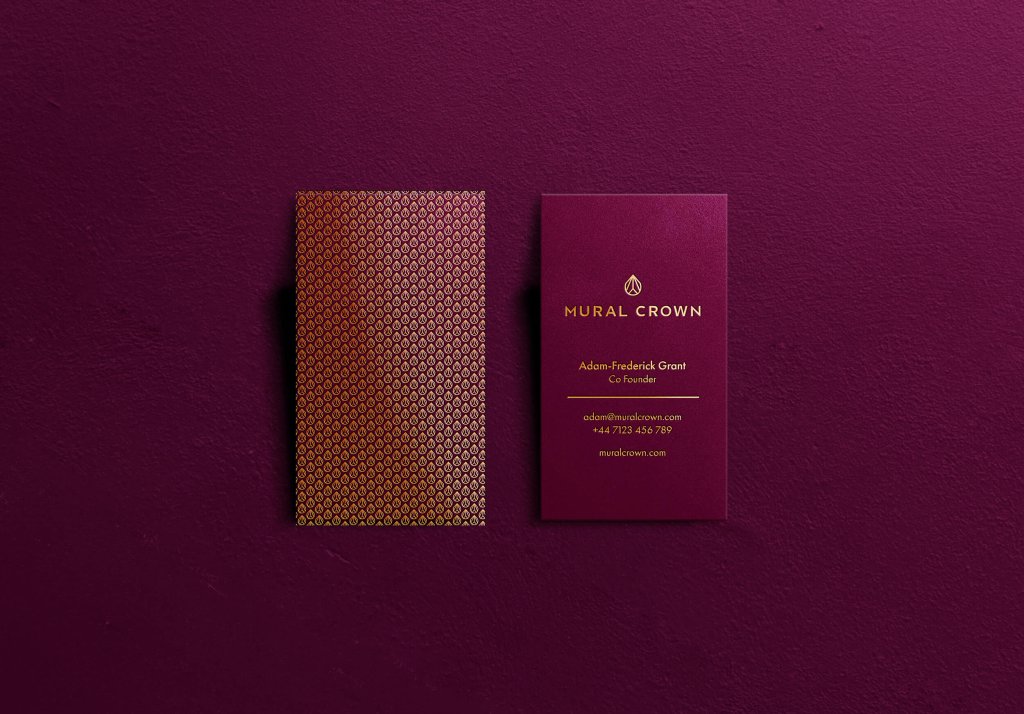
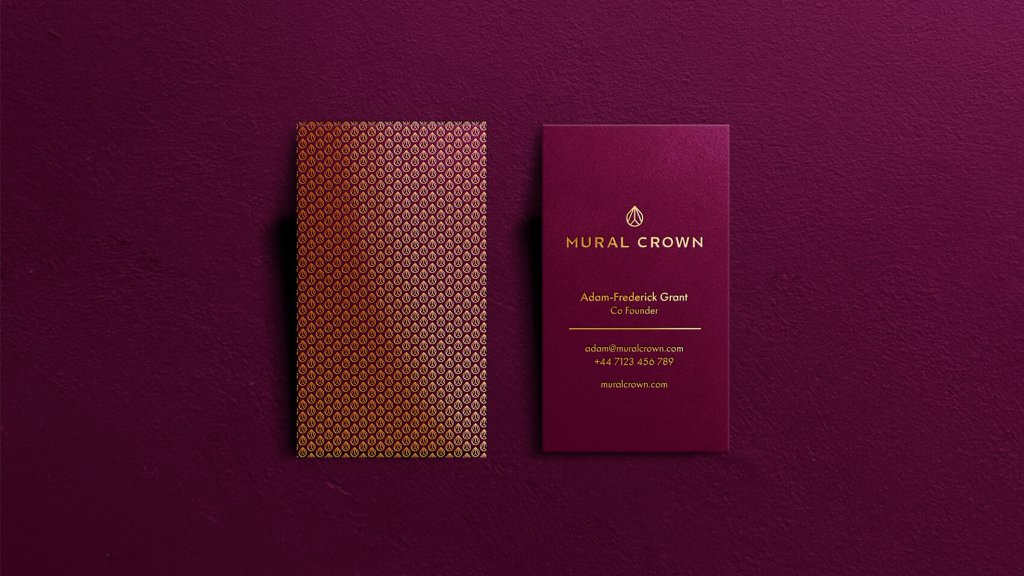
For Mural Crown, a wealth management firm that had grown beyond its original brand, the work started with repositioning. The business needed an identity capable of carrying it into a broader, more competitive market without losing the trust of its existing clients. The visual identity, built in service of that position, communicated quiet confidence rather than obvious prestige.
FAQs
A brand refresh updates and modernises an existing identity without changing the underlying positioning. A rebrand starts from the strategy, revisiting the fundamental questions about who the brand is for and where it sits in the market, and builds everything from those answers. The right approach depends on whether the problem is with the expression of the brand or the foundations beneath it.
The signals are usually consistent: pitches that feel harder to win, messaging that is increasingly difficult to write, a growing sense that the business has moved on but the brand has not kept up. If you are consistently attracting the wrong type of enquiry, or if the brand feels disconnected from where the business now is, that is worth a conversation.
Saint handles the full scope: from brand strategy and positioning through to visual identity, brand guidelines, and the assets needed for rollout. We also work with businesses that have done the strategic thinking and need the design work done properly. The starting point depends on what is already in place.
It depends on how significant the change is. A visual refresh typically carries enough continuity that existing clients adjust without friction. A more substantial repositioning requires thought about sequencing and communication. We plan the rollout as part of the project, not as an afterthought.
A brand refresh typically takes eight to twelve weeks. A full rebrand including strategic discovery, visual identity development, brand guidelines, and asset production usually takes three to five months. The timeline depends on the scope and how clearly the brief is defined at the outset.
Related Content



Related Services
get started
If your business has reached the point where the brand is no longer keeping up, get in touch. Every project starts with the thinking.
