
A brand refresh updates how an existing brand looks and sounds while keeping its core intact. A full rebrand rebuilds the foundations, the positioning, the values, sometimes the name, from the ground up. In short: refresh when the foundations are sound but the execution has drifted, and rebrand when the business has changed so much that the brand can no longer represent it.
When a brand starts to feel like it is not keeping pace with the business, the word rebrand tends to surface quickly. In practice these are very different interventions for very different problems, and choosing the wrong one carries a real cost in either direction. This guide explains what separates them, and how to decide which your business actually needs.
The short version
A refresh modernises the expression and keeps the equity you have built. A rebrand changes the foundations and asks your audience to rebuild their understanding. Most brands that feel like they need a rebrand actually need a better-executed refresh. A brand audit is the reliable way to know which.
Refresh vs rebrand at a glance
| Brand refresh | Full rebrand | |
|---|---|---|
| What changes | Logo, colour, typography, tone, consistency | Positioning, values, proposition, identity, sometimes the name |
| What stays | Core identity, market position, brand story | Little; the brand is rebuilt from the foundations up |
| When it fits | Foundations sound, execution has drifted | The business has outgrown or moved beyond the brand |
| Effect on equity | Preserves and sharpens it | Asks the audience to relearn the brand |
| Typical cost | Lower | Higher (see our rebrand cost guide) |
What a brand refresh involves
A refresh updates and strengthens what already exists. The core identity, the values, the market position, and the fundamental story stay intact. What changes is the expression: modernising a logo that has aged without losing its character, tightening the tone of voice so it feels current, updating a palette or typography within the established visual language, or refreshing the digital presence to reflect how the business has grown.
A refresh works when the foundations are sound but the execution has drifted. To borrow the familiar analogy, it is the service that keeps the car roadworthy, not the purchase of a different vehicle. Mastercard's 2019 update is a textbook example: it dropped its name from the logo but kept the interlocking red and yellow circles, modernising the expression while protecting the equity people already recognised.
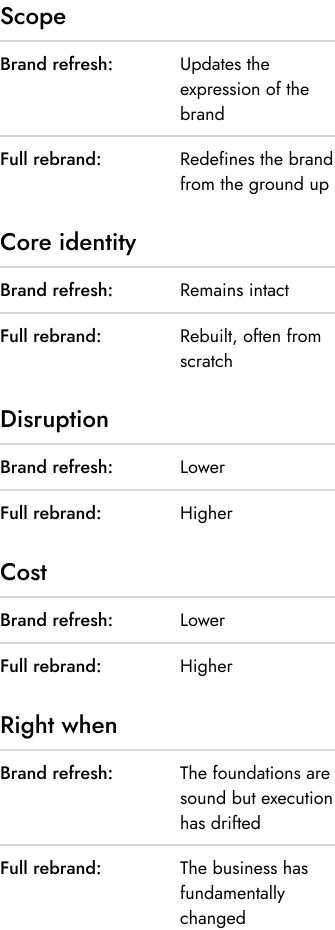
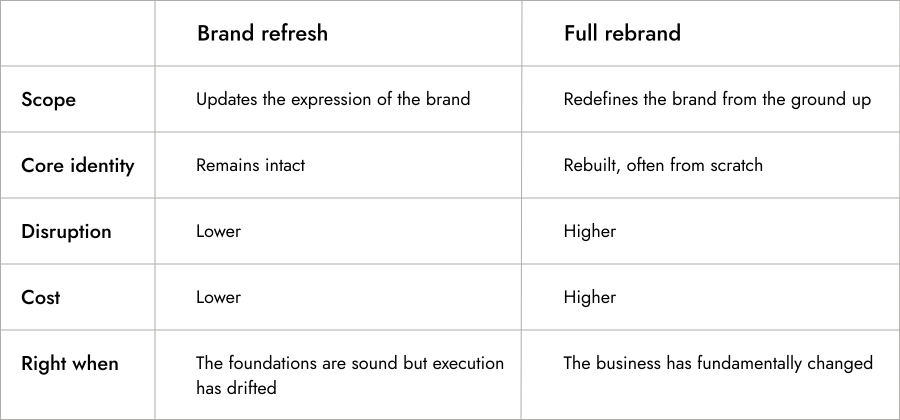
Brand refresh vs full rebrand comparison
“These are different interventions for different problems. Knowing which applies saves time, money, and credibility.”
What a full rebrand involves
A full rebrand goes deeper. It revisits the foundations, positioning, values, audience, proposition, and rebuilds the identity from there. The output can look similar to a refresh on the surface, but the work that precedes it is fundamentally different.
Rebranding is warranted when the business itself has changed enough that the existing brand can no longer represent it. That tends to happen at three recognisable moments.
The business has grown beyond its original positioning. The brand still tells the story of where the company started, and the gap between that story and commercial reality creates friction in every sales conversation.
The business is moving into a more senior buying conversation. A brand built to win a marketing manager's confidence will not automatically win a CFO's. The language, proof points, and signals that earn trust work differently at that level.
The team has grown beyond the founding circle. When founders are client-facing, brand consistency happens naturally. Scale the team and that coherence fractures. A rebrand here is as much an internal exercise as an external one.
When we took Stilwell Grey to a completely new name, Vantage Accounting, it was because a refresh would not have been enough: the firm had outgrown the old brand and needed one built for where it was heading. That is the line. A refresh sharpens what you have; a rebrand is for when what you have no longer fits.
The cost of rebranding when a refresh will do
The most common mistake is treating every brand problem as a reason for a full rebrand. Rebranding when a refresh would do wastes budget, creates unnecessary disruption, and risks losing the equity the brand has already built.
A brand carries memory. Customers, partners, and employees have associations with it, and not all of them are negative even when the brand feels tired. A refresh preserves and sharpens that equity. A rebrand asks the audience to rebuild their understanding from scratch, which is only appropriate when the existing understanding has become a genuine commercial barrier.
How to decide
Start with an honest assessment of whether the foundations still hold. When the positioning is right, the values are still relevant, and the audience is essentially the same, a refresh is almost certainly enough. When any of those has shifted significantly, the rebrand conversation becomes warranted.
A brand audit is the most reliable way to reach that judgement with evidence rather than instinct, and it should come before any decision about scope or investment. It looks at how the brand is actually performing across its touchpoints, how it compares to competitors, and whether the internal understanding of the brand matches what the audience actually thinks.
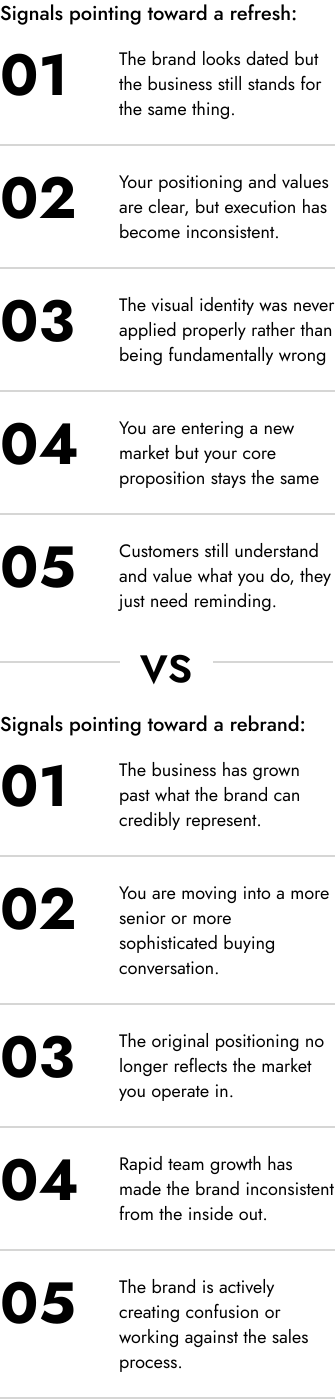
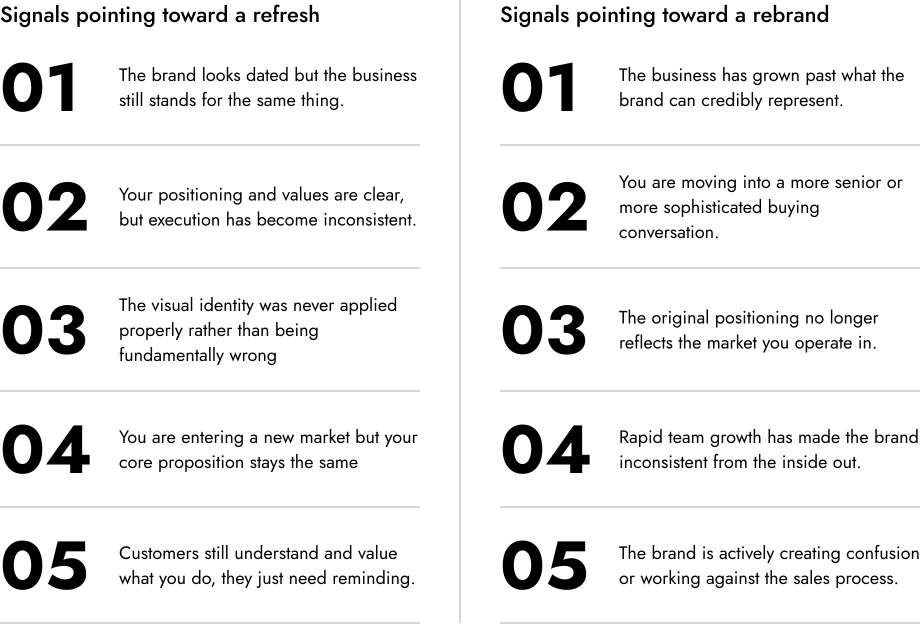
“Most brands that feel like they need a rebrand actually need a better-executed refresh.”
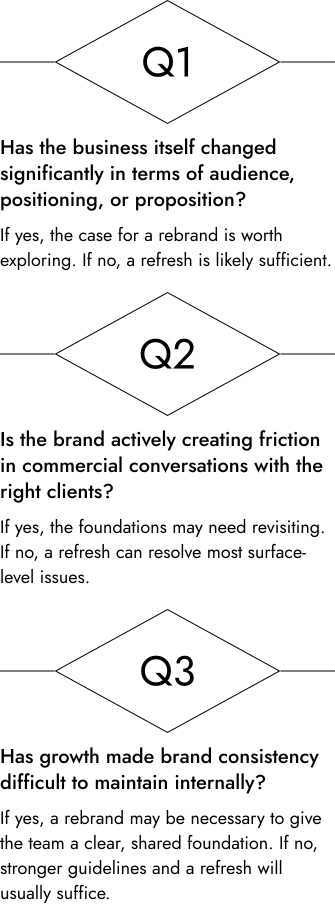
Three decision questions
Answer these three questions before commissioning either:
Sources
A well-known refresh: Mastercard's 2019 logo update (Dezeen).
Rebranding in practice: Vantage Accounting, Saint Associates.