The short version
Good guidelines are a decision-making tool, not a showcase. They should cover positioning and values, the full visual identity, tone of voice, and, crucially, application across the channels you actually use. The difference between guidelines that work and guidelines that sit in a folder is almost always specificity.
What brand guidelines should include
Scope depends on the complexity of the brand and how many people apply it. A focused small business might need ten pages; a business with multiple products or locations needs more. What matters is covering everything the people applying the brand need to make consistent decisions.
| Section | What it covers |
|---|---|
| Positioning and values | Who the brand is for, what it stands for, the reference every other decision is checked against |
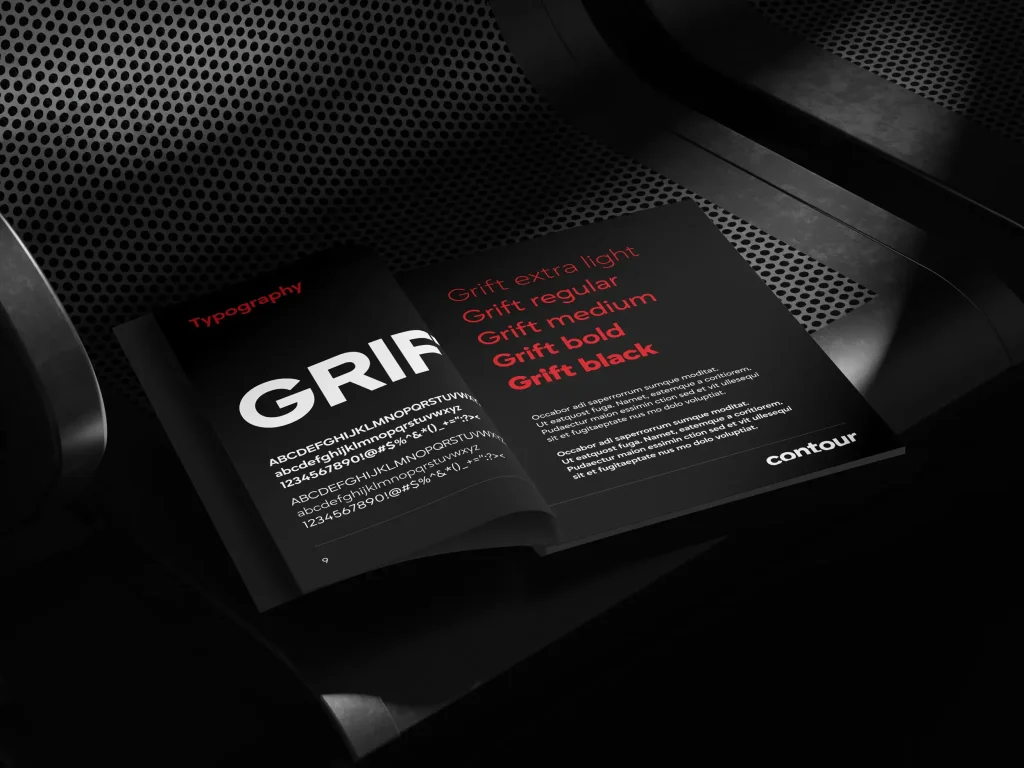
| Visual identity | Logo usage (size, spacing, variations, what not to do), colour values for digital and print, typography, imagery, graphic elements |
| Tone of voice | The brand's written personality, worked examples across contexts, and what it does and does not sound like |
| Application | How the identity works on the website, social, email, print, signage, and presentations |
Positioning and values belong at the front, because they are the foundation everything else is built on; without them, the guidelines become a list of rules with no reasons. Visual identity and tone of voice are the familiar core. Application is where most guidelines fall short, providing rules for the logo and palette but leaving teams to work out how those translate into real communications. Increasingly, good guidelines also set accessibility standards, such as minimum colour-contrast ratios, so the brand stays usable as well as consistent.
What makes guidelines work in practice
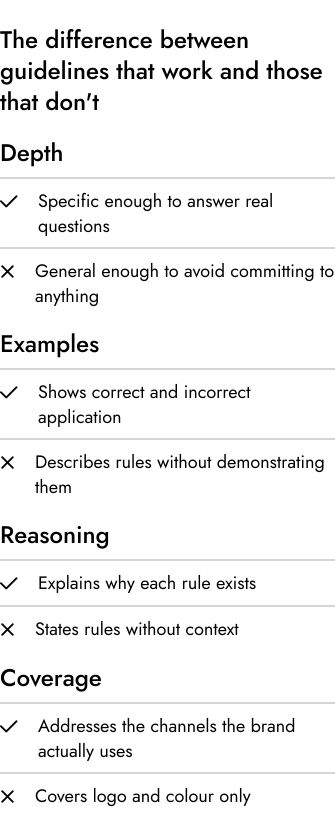
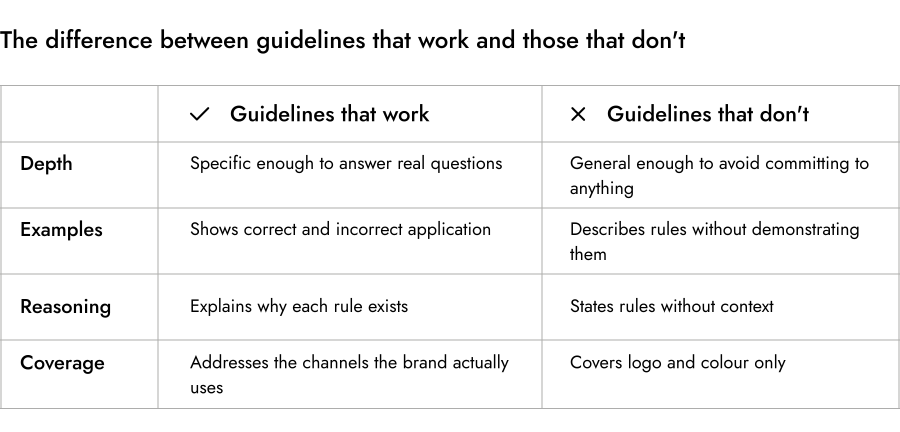
The difference between guidelines that work and guidelines that sit in a folder is specificity. Guidelines that describe the brand in general terms give nobody any practical help. Guidelines that show the voice in action, demonstrate correct and incorrect logo use side by side, and explain why certain combinations are off-limits give people what they need to make good decisions quickly.
When we rebranded Stilwell Grey into Vantage Accounting, the guidelines had a specific job: give the firm the tools to carry a completely new brand and name across every client-facing touchpoint while keeping the trust of clients who had known it for years. That meant the guidelines could not just describe the identity; they had to explain the reasoning behind it, so the team could apply the brand confidently without constantly referring back to us.
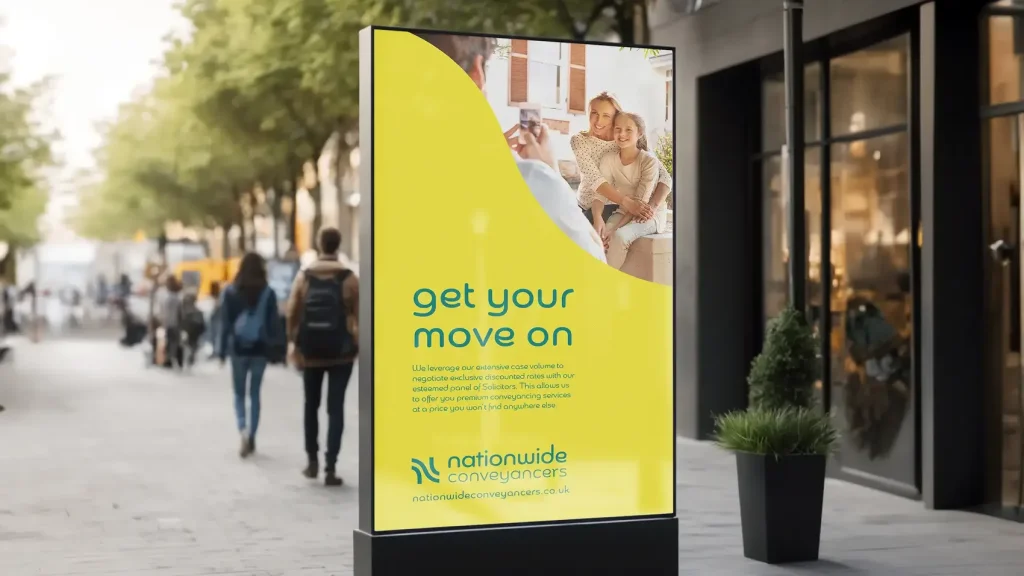
The Nationwide Conveyancers project posed the opposite pressure: a brand producing a high volume of digital communications, landing pages, and out-of-home advertising, where the guidelines had to hold consistency across everything without slowing the team down. And for Vitalis Capital we delivered a full brand toolkit, documented clearly enough that the team could roll it out independently across investor decks, digital and stationery.
The strongest public examples work the same way: the NHS identity guidelines and the GOV.UK brand guidelines succeed because they are living systems teams can actually use, not PDFs that get filed.
How long should brand guidelines be?
As long as they need to be, and no longer. Length is the wrong thing to optimise for. The common failure is guidelines that are too long because they try to cover every possible application rather than the ones that matter, and a thirty-page document nobody can navigate will not be consulted. A useful exercise is to list the ten brand decisions the business makes most often, new social posts, emails, proposals, printed materials, and make sure each has a section. Digital guidelines or a brand hub often work better than a static PDF for larger teams, because they can be updated centrally and stay current. The medium matters less than the content and the commitment to maintaining it, a set of guidelines that no longer reflects how the business communicates is a historical document, not a reference.
Sources
Real public examples: the NHS identity guidelines and the GOV.UK brand guidelines, both built as living, usable systems.
Guidelines in practice: Vantage, Nationwide Conveyancers and Vitalis Capital, Saint Associates.